
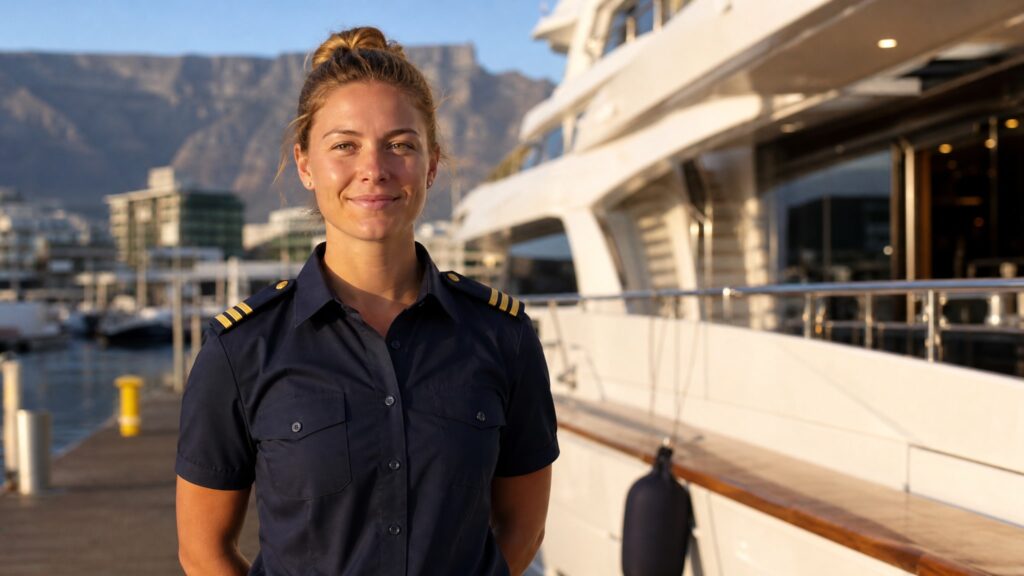
Finding a position on a superyacht takes more than certification. It takes strategic positioning within the right recruitment network at the exact moment hiring managers are looking. Cape Town is a key Southern Hemisphere crew hub, feeding directly into Mediterranean spring charters and Caribbean winter seasons. That creates specific windows where local training lines up with global demand, and understanding those windows is what turns your certification into a signed contract.
Cape Town’s Role in the Global Superyacht Recruitment Landscape
Cape Town works as a critical resupply and crew-change point for vessels moving between the Atlantic and Indian Oceans. That makes it a primary sourcing ground for captains who need reliable staff without flying them in from Europe. Recruiters prioritize candidates from specialized superyacht academies because they arrive pre-vetted with role-specific skills that go beyond basic safety compliance, which cuts the risk of hiring someone unprepared for life onboard. This geographic advantage means you can secure employment locally, before the vessel even departs for its next charter season.
Why Agencies Prioritize Locally Trained Crew
Agencies in this region know that locally trained crew have already adapted to the maritime environment and proven their commitment through intensive practical coursework. When a captain needs a replacement deckhand or stewardess while docked at the V&A Waterfront, they call recruiters who keep active relationships with nearby training facilities, rather than sifting through international applications. Your proximity during the hiring window gives you a real advantage over candidates waiting overseas.
Seasonal Hiring Windows for 2026 and 2027
Timing your STCW course for hiring season matters because recruitment cycles follow patterns set by charter calendars and maintenance periods. For the 2026/2027 cycle, peak placement activity runs from late September to November for Caribbean winter seasons, and again from February through April for Mediterranean summer charters. Miss those windows and you wait months for the next surge. Plan your training completion to land when agencies are actively filling rosters.
Top Yacht Crew Recruitment Agencies Operating in Cape Town
Not every maritime staffing firm specializes in luxury vessels, and applying to generalist recruiters often leads nowhere or turns up irrelevant commercial shipping offers. A legitimate yacht crew job placement agency in Cape Town focuses exclusively on private and charter yachts, and keeps databases that match specific vessel requirements to candidate profiles. Knowing the difference between niche specialists and general maritime firms saves you time and gets your profile in front of people who actually hire for superyachts.
Specialist Superyacht Recruiters vs. General Maritime Staffing
Specialist recruiters understand the nuances of interior service standards, deck department hierarchies, and the personality types that succeed in close-quarters living. General maritime agencies typically handle cargo, tanker, or cruise ship placements, where certification minimums matter more than hospitality experience or yacht-specific protocols. Target firms that show recent placements on vessels over 24 meters, so your application lands in the right pipeline.
What to Expect from a Registered Crew Agent
Professional yacht crew recruitment in Cape Town follows strict vetting: reference checks, document verification, and competency assessments before you’re added to an active roster. Legitimate crew agencies operating under MLC 2006 standards never charge placement fees to seafarers, so any request for payment upfront is a sign you’re dealing with an unregulated operator. Expect a thorough interview that tests both your technical knowledge and your interpersonal fit. Agents stake their reputation on every candidate they recommend.
Getting Placed Immediately After STCW Certification
Completing your mandatory safety training doesn’t automatically generate job offers. But graduating from an academy with established industry connections creates placement opportunities that cold applicants can’t access. Crew placement after STCW course completion happens fastest when training providers keep direct feedback loops with recruiters who already trust the quality of their graduates. That link between education and employment is what separates career launchpads from certificate mills.
How Training Schools Bridge the Gap to Employment
SYTA maintains direct relationships with Cape Town-based recruiters who actively seek newly certified graduates for entry-level deck and interior positions, which bypasses the standard application queue. These partnerships exist because recruiters know graduates from specialized programs have already been assessed for attitude, aptitude, and practical competence during their coursework. Train at a facility embedded in the local hiring ecosystem, and your graduation date becomes your first day of active recruitment.
Leveraging Course Completion for Direct Agency Referrals
Job-ready course packages in Cape Town often include structured referral mechanisms, where instructors personally introduce top-performing students to visiting agents or share graduate lists with partner recruiters. A direct endorsement carries weight an unsolicited CV can’t match, because it comes from a trusted source who watched you perform under pressure. Ask training providers specifically about their post-course placement support, and which agencies regularly hire their graduates, before you enrol.
CV and Interview Prep Integrated into Training
Technical skills get you certified. Presentation and communication skills get you hired, which is why reputable academies build professional development directly into their curriculum. Yacht crew CV tips for recruiters cover clean formatting, relevant keywords, and quantifiable achievements that pass the initial screening busy agents run. Practicing interviews with instructors who have industry experience readies you for the questions captains actually ask, turning nervousness into confident professionalism for your first real meeting.
Essential Documents for Cape Town Crew Agency Registration
No amount of networking or training makes up for missing paperwork. Agencies can’t legally present incomplete candidates to vessel owners or port authorities. Before approaching any superyacht job agency in Cape Town, make sure you hold a valid ENG1 medical certificate, completed STCW Basic Safety Training credentials, and a Seaman’s Book with enough blank pages for visa stamps. Incomplete documentation means immediate rejection, regardless of experience, so check every document’s validity and expiration date before you submit your profile.
Recruiters also expect polished references from previous employers or training instructors, a professional headshot that meets maritime standards, and proof of right to work or visa eligibility for common charter regions. Gathering all this takes weeks if you start after finishing your course, so begin collecting alongside your training, and you won’t delay your availability during peak hiring windows. Organization signals professionalism, and agents notice candidates who make compliance checks easy.
Evaluating Crew Placement Success Rates and Reputation
Placement-rate statistics are easy to manipulate and rarely audited, so judging an agency’s legitimacy takes qualitative digging into its industry standing and how transparent it is. Reputable firms welcome questions about their process and give clear answers on how they match candidates to vessels, without vague promises or guaranteed-employment claims. Your goal is a partner invested in long-term career matching, not one chasing quick placements that lead to rapid turnover.
Questions to Ask Before Signing with an Agent
Ask specifically about recent placements on vessels similar in size and type to your target, average time from registration to first offer, and how they handle contract disputes or onboard issues. Ask whether they run post-placement check-ins, and what support exists if a position turns out to be unsuitable in the first month. Transparent agents answer with concrete examples instead of deflecting to marketing language or refusing to discuss their track record.
Red Flags in Recruitment Contracts
Any contract demanding exclusivity without matching effort on your behalf limits your options for no good reason, and can signal an agency more focused on database size than placement quality. Watch for clauses letting them submit your profile without asking each time, since that leads to duplicate applications that damage your professional reputation. Ethical recruiters work with your informed consent and respect your right to pursue multiple paths at once.
Building a Network Beyond Agency Databases
Relying only on formal recruitment channels misses the informal networks where many junior positions get filled through word-of-mouth and direct marina interactions. Understanding the mechanics of getting signed by a superyacht crew agent still matters, but pairing agency registration with proactive local networking raises your visibility to captains and senior crew considerably. The Cape Town waterfront rewards people who show up consistently and engage with the working maritime community.
Local Industry Events and Marina Networking
Boat shows, crew socials, and industry seminars at the V&A Waterfront put you in physical proximity to decision-makers who’d rather meet candidates face-to-face before reviewing digital profiles. Volunteering at regattas, or helping out during maintenance periods, shows initiative and work ethic in ways CV bullet points can’t. These interactions build real relationships, and often lead to referrals when captains hear of openings through their peer network before they ever contact an agency.
Digital Presence for Cape Town-Based Applicants
A professional LinkedIn profile, built with relevant keywords, helps regional recruiters find you when they search for available local talent between seasons. Share content that shows ongoing learning, tag training providers and industry events appropriately, and engage thoughtfully with posts from agencies and vessels operating in Southern African waters. Your digital footprint should back up your in-person reputation as a committed professional, not undercut it with casual or inconsistent messaging.
Next Steps for Aspiring Yacht Crew in South Africa
Your path from aspiring crew member to employed professional starts with choosing training that builds in placement support, rather than treating certification as an isolated milestone. Accredited programs with proven agency relationships get you into the industry faster, because your skill development lines up with actual hiring timelines and recruiter expectations. Research course providers thoroughly, check their placement track records through independent sources, and commit fully to both the technical and professional sides of your preparation.
A dual-purpose deck/stew career course widens your employability by qualifying you for hybrid roles that smaller vessels often need, which expands the pool of potential employers beyond specialized departments. Take deliberate action now, and you’re positioned to capitalize on the next seasonal window instead of watching another hiring cycle pass while you gather information.